

Why Is RAM So Expensive Now?
RAM prices in 2025 have surged dramatically due to explosive AI demand and limited manufacturing capacity, hitting PC gamers, builders, and everyday users hard with costs doubling or tripling in months. This isn’t just a blip—it’s a complex mix of market shifts, supply constraints, and tech giants hoarding high-end memory for data centers. As we close out the year, understanding the why behind these hikes can help you decide whether to upgrade now or hold off.
Here’s the TL;DR…
AI’s Massive Hunger for Memory: Tech companies like Nvidia are snapping up high-bandwidth memory (HBM) and DDR5 for AI training, diverting production from consumer RAM and jacking up prices.
Supply Chain Squeeze: Only three major players—Samsung, SK Hynix, and Micron—control over 90% of the market, and they’re prioritizing profitable enterprise gear over affordable sticks for your PC.
Current Price Tags: DDR5 32GB kits that cost around $90 in May now hover at $300–$500; DDR4 64GB has jumped from $180 to $470, with no signs of relief soon.
What RAM Does: It’s the short-term workspace in your devices, handling everything from loading games quickly to multitasking on phones—without enough, systems lag or crash.
Future Outlook: Experts predict shortages lasting until 2027 or 2028, potentially raising laptop, phone, and console prices by 15–20% in 2026.

What Exactly Is RAM and What Is It Used For?
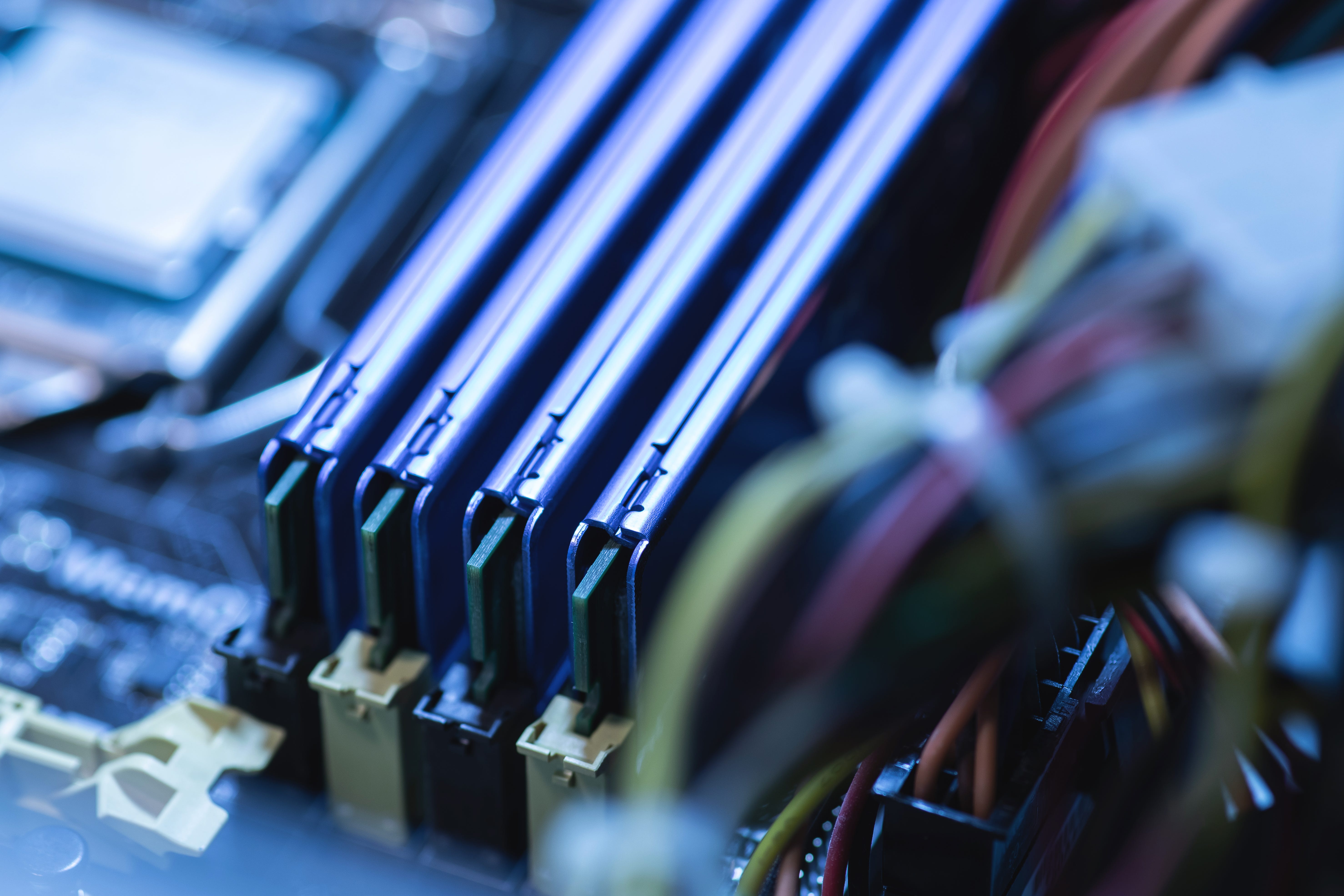
Random Access Memory, or RAM, acts as your device’s temporary scratch pad, holding data that’s actively in use so the processor can grab it fast. In gaming, it loads textures, maps, and AI behaviors without hitch—think smoother frame rates in titles like Cyberpunk 2077 or Fortnite.
Beyond PCs, RAM powers smartphones for app switching, servers for cloud services, and even cars for infotainment systems; skimping on it means slower performance across the board. Without adequate RAM, devices bottleneck, forcing constant swaps to slower storage like SSDs. For creators, it’s crucial for editing 4K video or running simulations; in everyday use, 8GB might suffice for browsing, but 16GB or more is standard for modern multitasking.
How Has AI Driven Up RAM Costs in 2025?
AI workloads, especially training massive models like those behind ChatGPT or image generators, devour enormous amounts of fast memory, pushing demand for specialized types like HBM and server-grade DDR5. A single Nvidia GB300 AI rack alone uses 37TB of HBM3E and LPDDR5X—enough to outfit over a million laptops.
This frenzy has hyperscalers like Google and Amazon locking in long-term contracts, leaving less wafer capacity for consumer products. The ripple effect hits DDR5 hardest, as its production lines overlap with HBM fabs. Memory prices surged 30% in Q4 2025 alone, with AI data centers gobbling up supply and delaying broader tech affordability.
Even client-side AI features in phones and PCs are scaled back, as chipmakers can’t keep up.
What Are the Current Prices for DDR4 and DDR5 RAM in December 2025?
DDR5 32GB kits, once available for about $90 in May, now routinely fetch $300 to $500, with premium options like the T-Force Delta RGB hitting $469 on Amazon.
For higher capacities, 64GB DDR5 sets have climbed to around $500, while 256GB DDR4 server modules exceed $3,000 in some cases. Spot prices for individual 16Gb DDR5 chips jumped from $24.83 in late November to $27.20 by December 1.
DDR4 fares slightly better but still hurts: A 64GB kit that cost $180 earlier this year now goes for $470. Notebook memory contracts rose double-digit percentages in one quarter, and even older DDR3 sticks are pricier as fabs retire lines. These hikes make budget builds tougher, especially for gamers eyeing AMD Ryzen or Intel Core setups.
Why Are RAM Manufacturers Shifting Away from Consumer Products?
With just Samsung, SK Hynix, and Micron dominating over 90% of DRAM production, these firms are chasing higher margins in AI and enterprise sectors over low-profit consumer sticks. Samsung doubled DDR5 costs and redirected output to server RDIMMs, while Micron axed its Crucial consumer brand by February 2026 to focus on data centers.
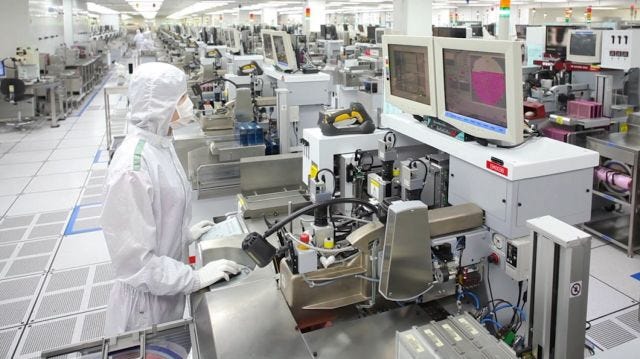
This pivot stems from AI’s lucrative deals, where hyperscalers pay premiums for priority access. Older tech like DDR4 and LPDDR4 faces shortages as lines phase out faster than demand drops. Knock-on effects include rising GDDR6 for GPUs and LPDDR for mobiles, stalling innovations like standard 16GB in budget laptops. It’s a classic supply-versus-demand imbalance, amplified by concentrated manufacturing.
How Does the RAM Shortage Impact Gamers and Everyday Tech Users?
For gamers, pricey RAM means delaying upgrades or settling for less—8GB configs persist in entry-level rigs, choking performance in memory-hungry titles like Starfield or flight sims. PC builders face tough choices: Pay premiums now or risk even higher costs in 2026, when Dell predicts 15–20% hikes on systems. Consoles aren’t immune; next-gen hardware could see price bumps if memory woes persist.
On the consumer side, smartphones might stick at 4GB–6GB, limiting AI features, while laptops and tablets absorb 20–30% increases. This sets back tech progress by years, making devices less capable amid rising expectations for seamless multitasking.

Experts advise buying soon if you need it, as normalization isn’t expected before 2027.
Will RAM Prices Come Down Anytime Soon or Stay High Through 2026?
Short answer: Don’t hold your breath—shortages are projected to drag on until at least Q4 2027, with SK Hynix forecasting tight supply through late that year. New fabs, like Micron’s $10B Japan plant, won’t ramp up until 2028 or later. If AI demand cools, prices might ease, but current trends point to sustained highs.
Team Group’s GM warns the crisis is just starting, with DRAM and NAND potentially doubling in early 2026. Lenovo and HP are already invalidating quotes or signaling rises, so 2026 could bring broader inflation across tech.
For now, hunt deals on DDR4 if possible, but expect the squeeze to tighten.
What Can Consumers Do to Navigate These High RAM Prices?
Scour retailers for remaining stock at older prices, but act fast—Kingston reps say NAND costs alone spiked 246% from Q1 2025, with 70% in the last quarter.
Consider used or refurbished modules from trusted sources to sidestep new premiums.
Optimize your current setup: Close unused apps, upgrade to faster storage, or tweak game settings to reduce memory load.
Long-term, watch for production expansions, but diversification in manufacturing could help stabilize things.
Until then, the AI boom’s shadow looms large over affordable computing.
Hat Tips
TechRadar — Why is RAM so expensive right now? It’s more complicated than you think (December 18, 2025)
Tom’s Guide — RAM price crisis LIVE — all the latest updates on skyrocketing costs (December 19, 2025)
Tom’s Hardware — Don’t wait if you’re planning to upgrade your RAM or SSD, Kingston rep warns (December 16, 2025)
NZXT Blog — Why is RAM so expensive right now? (November 15, 2025)
Consumer Reports — AI Data Centers Scooping up RAM, Laptop Prices Could Spike (December 19, 2025)
Reuters — The AI frenzy is driving a memory chip supply crisis (December 2, 2025)
CNN Business — Phones might get pricier next year. Thank the AI boom (December 5, 2025)
Axios — Phone, PC and game console prices surge over AI boom (December 16, 2025)
CBC News — AI is skyrocketing the price of RAM. Computers, phones and tablets could be next (December 11, 2025)
MSI Blog — Memory Shortage 2025–2026: Causes, Impact, and How to Build a PC (December 14, 2025)
Article Compiled and Edited by Derek Gibbs on December 22, 2025 for Clownfish TV D/REZZED