

Will Hollywood push the YouTubers out of YouTube?
Kristen Stewart, Trevor Noah, and Neal Mohan’s premium push raise the question of whether independent creators are getting squeezed.
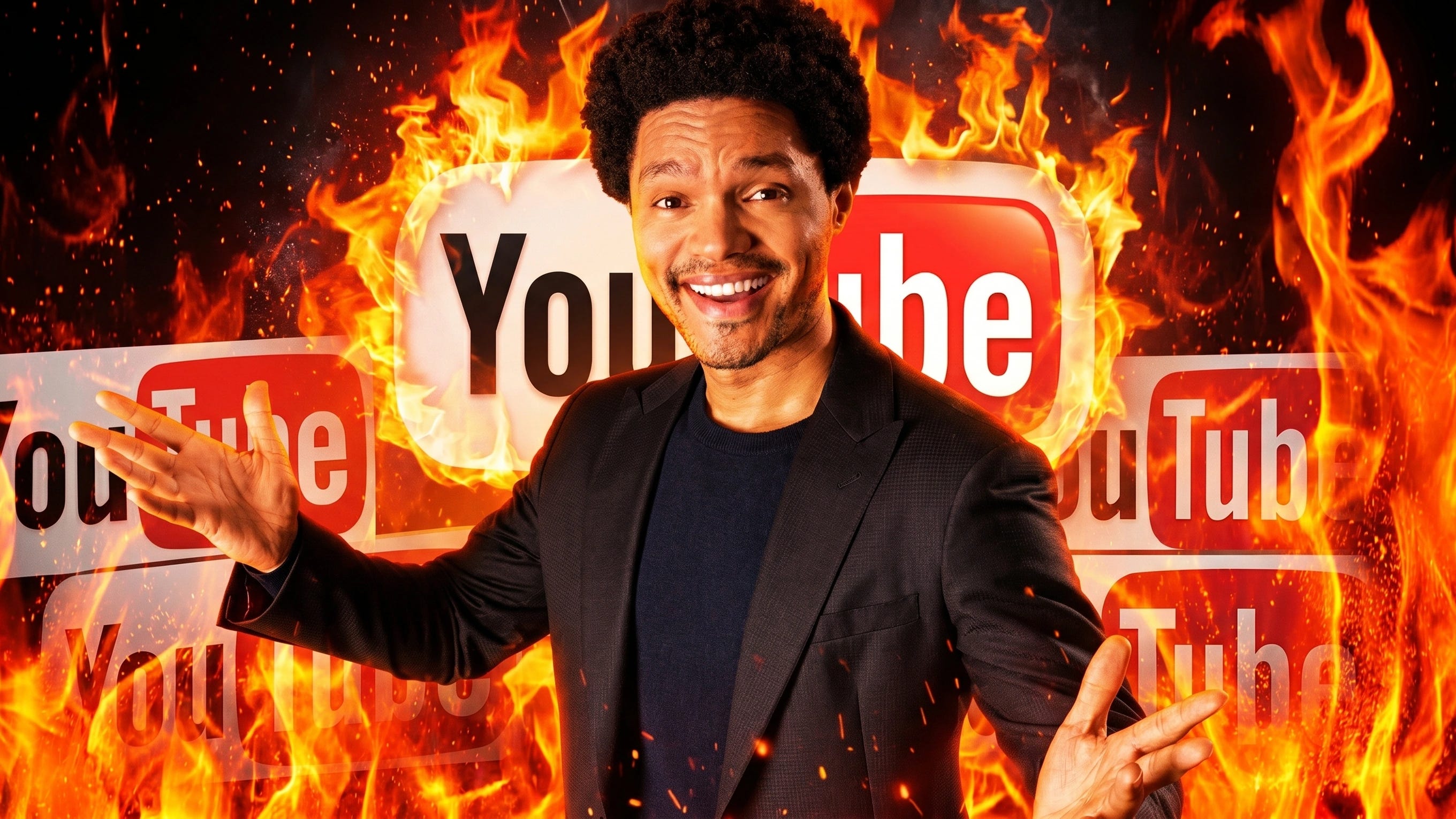
Hollywood talent is increasingly eyeing YouTube as a direct path around traditional studio gatekeepers, with high-profile names like Kristen Stewart openly planning to release projects straight to the platform. At the same time, YouTube CEO Neal Mohan is championing creators who build full-scale studios and produce premium content, while events like the recent Brandcast spotlight figures such as Trevor Noah and deeper Oscars integration. The shift raises a pointed question among longtime independent creators: as the platform rewards higher production values and polished formats, are the original YouTubers getting squeezed out?
Kristen Stewart wants to bypass studios and drop projects straight on YouTube
Kristen Stewart has been vocal about her frustration with the traditional Hollywood system. In recent comments tied to her directorial work, she described being tired of waiting years for financing and dealing with executives. Her proposed solution is straightforward: make something low-budget with friends and upload it directly to YouTube, then use any earnings to fund the next project.
She specifically said she wants to create “weird [stuff]” and release it on “[freaking] YouTube.” Stewart framed the approach as a way to maintain artistic control without compromising for commercial interests or spending years pitching to executives. The comments struck a chord because they came from a major star who has worked inside the system and is now looking outside it for freedom.
Trevor Noah hosted YouTube’s 2026 Brandcast as Oscars expand on the platform
The platform is not just attracting individual talent. It is becoming a bigger stage for established entertainment properties. Trevor Noah hosted YouTube’s high-profile 2026 Brandcast upfront event in mid-May, where the company unveiled new creator-led series and leaned into its identity as a primary TV destination. Noah himself is developing projects for the platform, including a travel series.
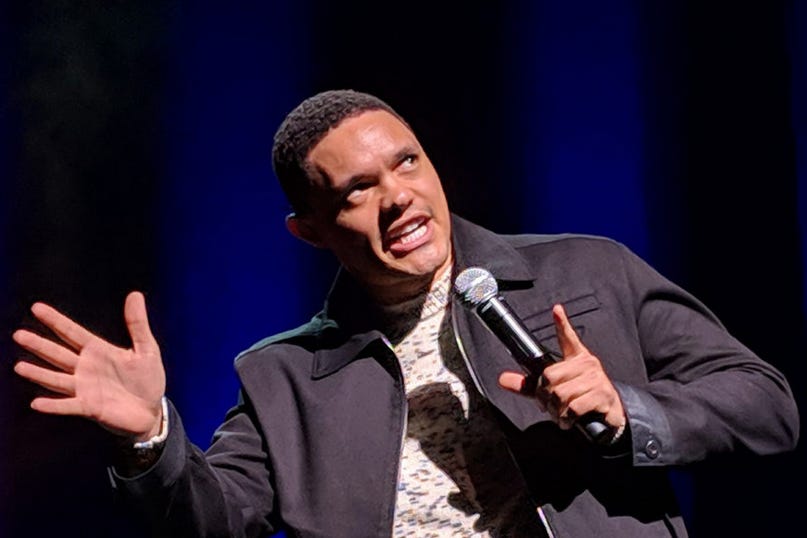
The Oscars have also expanded their footprint on YouTube with extended red-carpet coverage and multi-year deals. These moves signal that legacy Hollywood institutions see value in meeting audiences where they already spend time. YouTube, in turn, gains prestige and live-event appeal that helps it compete for ad dollars against traditional television and streaming services.
Neal Mohan has steered YouTube toward premium content since 2015
Much of what creators are feeling today traces back to Neal Mohan’s long tenure and product philosophy. Mohan joined YouTube as Chief Product Officer in 2015, the same year the company launched YouTube Red, its first major subscription service aimed at competing with Netflix through ad-free viewing and original content.
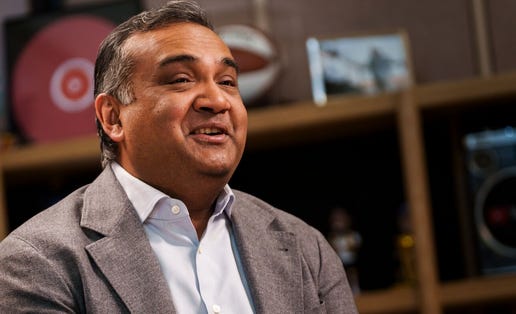
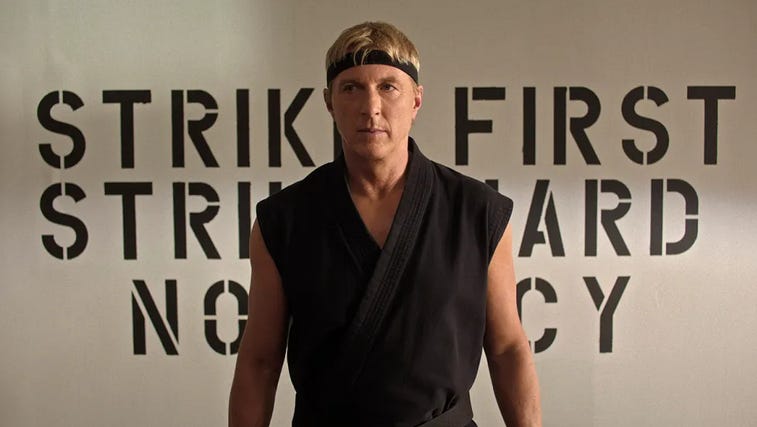
As CPO, Mohan played a significant role in shaping YouTube’s premium and subscription strategy during those years. YouTube Red later became YouTube Premium. The heavy scripted originals push, including shows like Cobra Kai, had mixed commercial results and was eventually scaled back, but the broader effort to build paid, premium experiences on the platform began under that era. Cobra Kai itself later became a major hit after moving to Netflix, showing both the potential and the challenges of that model.
Mohan has since been one of the strongest champions of YouTube Shorts, making it a central strategic priority, especially since becoming CEO in early 2023. Shorts dramatically expanded the platform’s scale and lowered barriers to creation, but it also shifted the content mix and creator economy in ways that some longtime creators feel fragmented attention and changed incentives.
His January 2026 vision letter makes the through-line explicit. He celebrates creators buying studio-sized lots in Hollywood, producing high-end content, and operating as their own studios. The language is consistent with someone who has spent over a decade steering YouTube from a user-generated video site toward a full entertainment ecosystem that supports both massive short-form scale and premium, TV-style ambition.
For many independent creators, this history explains why the current moment feels like the logical continuation of a long-term strategy rather than an abrupt change.
Independent creators face stricter rules and demonetization waves in 2026
Alongside the Hollywood influx, many longtime YouTubers describe a tougher environment in 2026. There have been documented waves of demonetization actions targeting channels accused of “inauthentic content,” reused material, faceless formats, or undisclosed AI assistance. Some mid-sized and independent creators report losing monetization even on long-running channels that previously met the rules. High-profile AI-generated content channels such as Screen Culture and KH Studio were terminated in late 2025 after earlier demonetization, underscoring how aggressively the platform is enforcing quality standards.
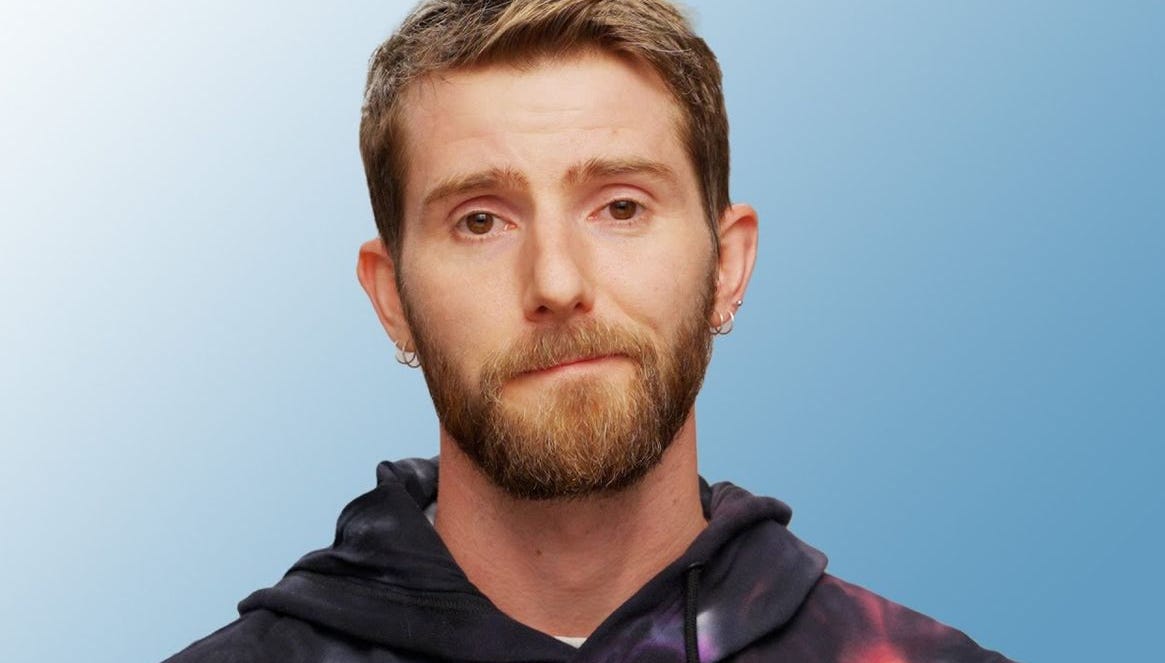
Even large, established channels have felt the effects of broader platform shifts. Linus Tech Tips has publicly discussed significant viewership drops in recent periods, with Linus Sebastian attributing part of the issue to algorithm changes, including how YouTube’s Members feature sometimes recommends paid content over free videos. While not a straightforward “wrongful demonetization” case, the experience highlights how even top-tier creators are navigating reduced visibility and the challenges of adapting to evolving recommendation systems.
The algorithm itself appears to be evolving. Watch time on TV, production quality signals, and overall polish seem to be carrying more weight. While these changes aim to improve viewer experience and fight low-effort spam, they create a practical tilt toward content that can afford higher production standards. Smaller or more experimental creators often lack the resources to match that level consistently, leading to concerns that the platform is quietly becoming less hospitable to the raw, personality-driven style that built much of its early culture.
Is YouTube slowly turning into a Netflix-style hybrid?
The combination of factors points to a platform in transition. YouTube under Mohan is successfully expanding into premium, brand-safe, high-retention entertainment while still hosting the open creator economy. Hollywood talent moving in, whether through direct releases like Stewart’s plans or high-visibility partnerships like Noah and the Oscars, fits neatly into that premium lane.
For the strategy to scale, the platform needs more content that keeps viewers watching longer and satisfies advertisers. That naturally advantages productions with recognizable names, bigger budgets, and professional packaging. Independent creators who built audiences through consistency, personality, or niche experimentation are watching the goalposts move. Some worry the result will be a more stratified YouTube: a visible layer of polished, studio-adjacent content at the top, and a much harder climb for everyone else underneath.
This is not necessarily a conspiracy. It can emerge naturally when a platform optimizes for watch time, advertiser safety, and premium appeal while simultaneously courting bigger entertainment players. But the effect on the original YouTube creator class could be significant.
YouTube has always evolved with its audience and technology. The current moment feels different because the incentives are aligning so clearly toward Hollywood-level production values at the exact moment traditional creators are reporting tighter monetization, algorithmic headwinds, and in some cases significant view drops. Whether this becomes a true squeeze or simply another chapter of adaptation depends on how aggressively the platform continues to reward scale and polish versus protecting space for the independent voices that made it culturally dominant in the first place.
Article compiled and edited by Derek Gibbs (entertainment editor) and the Clownfish TV newsroom.
D/REZZED is part of Clownfish TV. For more news, views, and rants on gaming and tech, visit clownfishtv.com. Watch the show on YouTube at @ClownfishTV where new episodes drop daily. Subscribe to the Clownfish TV podcast on Apple Podcasts, Spotify, iHeart, and wherever else you get your podcasts. Sign up for the free newsletter at more.clownfishtv.com.
Hat Tips:
Clownfish TV, “Hollywood SLUMS IT on YouTube?! Kristen Stewart RANTS About Studio System!” (May 2026)
Hindustan Times and Variety, Kristen Stewart comments on making projects for YouTube and frustration with the studio system (May 16–17, 2026)
YouTube Official Blog, Neal Mohan’s 2026 letter on creators as new stars and studios, Hollywood lots, and fighting AI slop (January 21, 2026)
Deadline, Variety, and The Hollywood Reporter, coverage of 2026 YouTube Brandcast hosted by Trevor Noah and expanded creator/Oscars slate (May 2026)
Wikipedia and industry reporting, Neal Mohan’s career history and role in YouTube Premium/Red evolution and Shorts
Dexerto and creator discussions, Linus Tech Tips viewership drops and algorithm concerns (2025–2026)
Ars Technica and industry reports, termination of high-profile AI channels like Screen Culture and KH Studio (late 2025)