

Will LEGO issue a statement on Bricks and Minifigs $200,000 scandal?
Bricks and Minifigs is an authorized LEGO reseller. The LEGO Group has not said a word for the duration of the Reckless Ben / Mansell family viral scandal that has dominated LEGO community talk.
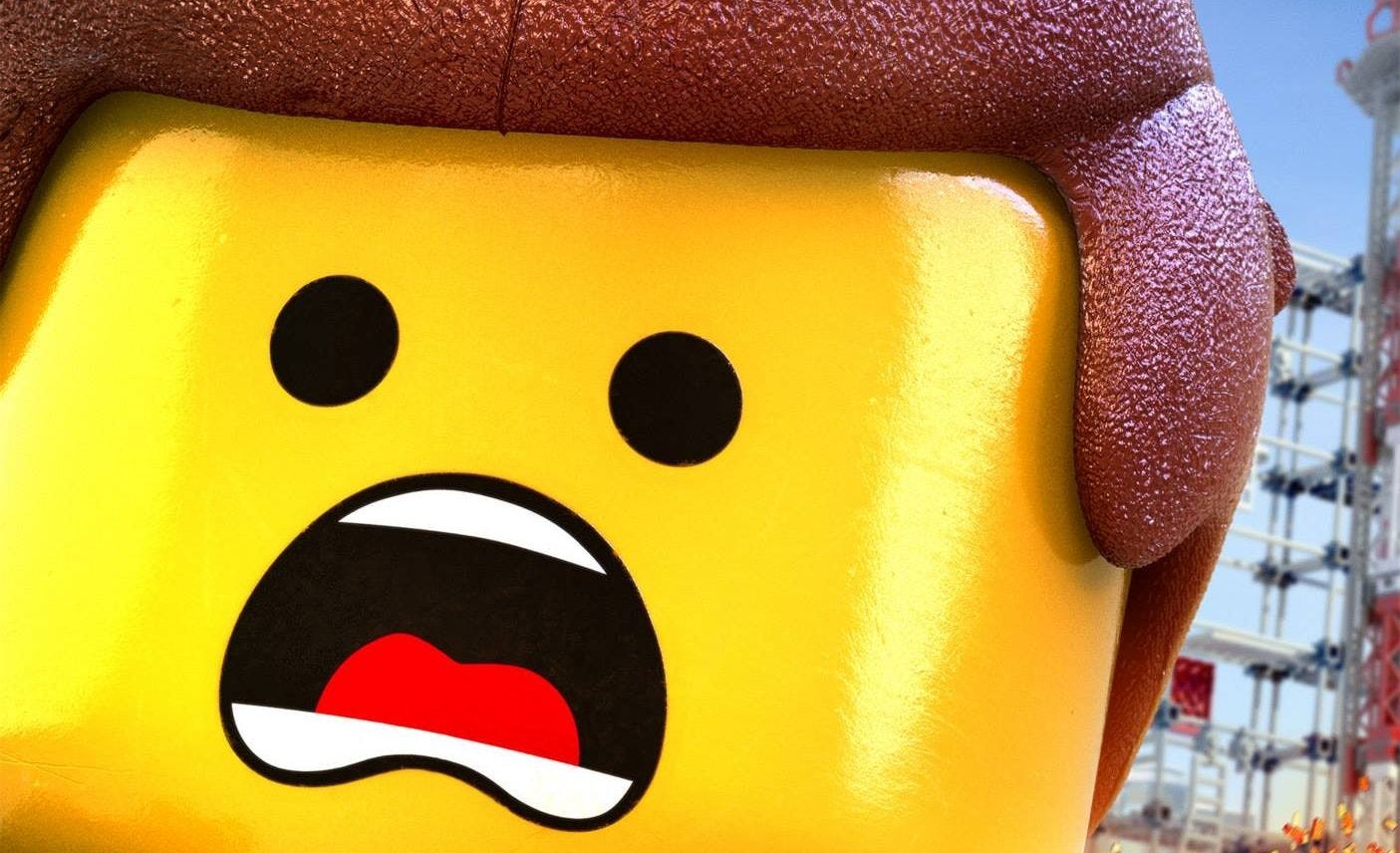
The most surprising silence in the entire Bricks and Minifigs / Reckless Ben drama is coming from the company whose name is on every product in the dispute.
The LEGO Group has not issued a single public statement during six weeks of viral coverage, lawsuits, arrests, court orders, and franchise closures. Bricks and Minifigs (BAM) identifies itself in its own corporate press releases as “an authorized LEGO® reseller.”
The world’s most beloved toy company has watched its trademark sit at the center of a Wikipedia-worthy scandal for over a month and said nothing.
That is unusual. Even for LEGO.
The Change.org petition wants LEGO to step in
A Change.org petition launched in late May 2026 explicitly demands LEGO Group act. The petition asks for four specific things:
An independent review of Bricks and Minifigs’ business practices, particularly regarding franchise transitions and consignment handling
Revoke or suspend Bricks and Minifigs’ authorized reseller designation until the Mansell family’s collection is fully returned or fairly compensated
Clear standards for any company using the LEGO name or “authorized reseller” designation
A public statement from LEGO Group acknowledging the community’s concerns
The petition is blunt: “Bricks and Minifigs markets itself as ‘the original LEGO-authorized reseller,’ invoking LEGO’s name and reputation to attract customers, consigners, and franchise investors. When a company operating under that LEGO-adjacent halo allegedly strips an elderly collector’s family of a lifetime of treasured sets, LEGO’s silence is not neutrality, it is implicit endorsement.“
The signature count has grown steadily through late May and early June. The petition is approaching the 1,000-signature threshold that typically gets media attention.
What “authorized LEGO reseller” actually means
LEGO Group does not own Bricks and Minifigs. BAM is an independent specialty resale franchise chain headquartered in Orem, Utah, founded in 2011, that has grown to over 300 stores across the United States and Canada.
The relationship between LEGO Group and BAM looks more like a wholesale supply and brand-licensing arrangement than a true partnership. BAM buys new LEGO at wholesale and resells through its franchise network. BAM is authorized to use the LEGO trademark in its marketing.
To consumers, “authorized reseller” implies LEGO Group has reviewed and approved BAM’s business practices. The reality is more arms-length.
LEGO Group does not audit every franchise transition or consignment arrangement at every BAM location. BAM’s franchise rules prohibit unauthorized consignments according to BAM, but enforcement happens at the franchise level, not the LEGO Group level.
The LEGO trademark is on every product BAM sells. Every news story about the Mansell scandal mentions LEGO. LEGO Group’s brand is being dragged through the news cycle whether the company likes it or not.
LEGO has intervened in branded situations before
LEGO Group’s silence in 2026 stands out because the company is generally not shy about defending its brand.
The clearest example came with the LEGO James Bond situation. Traveller’s Tales pitched a Lego adaptation of the franchise in the mid-2010s after 007 Legends had collapsed Eurocom. LEGO Group refused, citing the Bond franchise’s “violence and innuendo as antithetical to the family-friendly form of their brand.“
LEGO killed the license before development began. They were not asked twice.
LEGO Group also routinely removes user-generated content from LEGO Ideas and BrickLink that breaches its community standards or IP guidelines. The company maintains some of the strictest brand-image controls in the toy industry.
LEGO doesn’t engage in public confrontations often. When LEGO does engage, it acts decisively.
Whether the BAM situation has crossed the threshold where the company’s normal silence becomes commercially untenable is what collectors are asking. It might not be there yet. It is closer than it was six weeks ago.
Disney pulled a license. Nintendo turned brand protection into a full-time job.
Two precedents from other major toy and entertainment brands show what intervention looks like when companies decide they actually care.
In November 2016, The Walt Disney Company revoked the manufacturing license of a Chinese toymaker, Dongguan Qing Xi Juantiway Plastic Factory, after the New York labor advocacy group China Labor Watch documented working condition violations.
Disney’s public note at the time: “Our investigation has revealed that Dongguan Qing Xi Juantiway Plastic Factory failed to remediate hiring and human resource issues identified during an investigation of the facility last year“ and that the factory therefore “failed to correct important issues in a timely manner.“
Disney also publicly warned a second licensee, Lam Sun Toy Limited Company, about similar issues.
The Disney case looks structurally similar to the LEGO/BAM situation. A major brand publicly revoked a licensing relationship when the licensee’s conduct became a brand reputation risk.
Disney’s brand survived the negative attention because Disney was seen as having taken decisive action. Intervention can protect a brand more than silence does, when the alternative is being seen as tacitly endorsing bad behavior.
Nintendo is the case study in the opposite direction. Nintendo doesn’t intervene only when the situation becomes commercially untenable. Nintendo intervenes constantly, on its own initiative, sometimes when the optics are actively bad.
The most recent example: The Poké Court, a Manhattan Pokemon card shop that was robbed at gunpoint of $100,000 in merchandise during a community event on January 14, 2026.
Three men with a firearm threatened employees and customers, smashed glass display cases, and pulled off the entire heist in three minutes. The community rallied around the shop. National coverage followed.
Nintendo’s response, weeks later: a contact from corporate legal asking the store to change its name and remove its Poké Ball logo for trademark concerns.
The store rebranded to The Trainer Court in February 2026.
The internet was unkind. Kotaku put it directly: “After losing $100,000 in Pokemon merch in a robbery, The Poke Court has lost its name as well.“ Backdash ran the headline: “Hey sorry you got robbed, here’s a cease and desist.“
In April 2026, Nintendo destroyed a Pokemon fan animation channel called PokéNational Geographic, run by an animator named Elious.
The channel produced original 3D animations imagining how Pokemon would behave in the wild, narrated in David Attenborough documentary style. The channel had over 100,000 subscribers.
Nintendo issued more than 20 copyright strikes in 12 hours. The channel was terminated.
Elious told viewers in his final video: “I can’t fight this. I don’t know how to save the channel, I don’t know if I can.“ The strikes appeared to begin shortly after Elious launched a Patreon to monetize the series.
MoistCr1TiKaL, the popular YouTuber, summarized the broader Nintendo pattern after a separate round of strikes against PointCrow for Zelda content: “Nintendo has some kind of grudge against people that like their products, they view them as enemies like terrorists. ‘How dare you enjoy our products this much that you’re willing to make content or have tournaments around them? We’re putting the kibosh on it.’“
Nintendo’s retail patterns match its IP patterns. Throughout the 2025 Switch 2 launch window, Nintendo held its console stock back from Amazon US entirely.
Switch 2 launched globally on June 5, 2025. It did not appear on Amazon US until July 8, 2025, more than a month after release.
Bloomberg reported in May 2026 that Nintendo had pulled its products over a dispute about third-party resellers undercutting Nintendo pricing through bulk Southeast Asian imports. Both companies publicly denied the report (”There is no such fact,” Nintendo said), but the absence was unmistakable.
Stock has since normalized. Nintendo now operates an official Amazon brand storefront, though the main Switch 2 listing still rotates in and out of stock.
Former Nintendo of America President Reggie Fils-Aimé recently recalled to Axios that Nintendo previously stopped selling to Amazon entirely during the Wii and DS era over different pricing disputes.
Nintendo also updated its customer service terms in 2022 to commit to contacting “police and lawyers“ when customer service staff faced harassment. Brand protection is a regular Nintendo posture, not an emergency response.
LEGO Group is the third leg of this comparison. Disney intervenes when forced to. Nintendo intervenes constantly, on its own initiative, sometimes when the optics are actively against them.
LEGO has historically intervened decisively when its brand is at stake. The question is which model LEGO will land on for the BAM situation.
Why LEGO has stayed silent so far
There are reasonable strategic explanations for the silence.
BAM is not a LEGO Group-owned entity. Speaking publicly on active multi-jurisdictional civil litigation against a third party could expose LEGO Group to defamation risk or legal entanglement it does not need.
Lawyers tell brand owners to stay quiet by default. That advice usually wins.
The underlying dispute is contractual rather than IP-related. The Mansell family’s complaint is against BAM and the former franchise owners, not against LEGO Group’s products or trademark use.
There is no clear “license to revoke” the way Disney revoked the Dongguan factory. The “authorized reseller” designation looks more like a commercial agreement than a true license.
LEGO Group has been rolling out major product launches over the past two weeks. The Sagrada Família set dropped June 4, 2026, billed as the largest LEGO set ever at 12,060 pieces. A full slate of summer announcements is queued up.
Speaking publicly on BAM right now would shift coverage away from those launches at exactly the moment LEGO is trying to drive holiday-season pre-buying.
LEGO Group’s leadership philosophy is also famously cautious. The Danish corporate culture is conservative. The company rarely makes public statements on third-party situations unless absolutely required.
Why LEGO may still have to say something
The pressure has been building.
The LEGO community press cycle for the past six weeks has been dominated by the BAM scandal. Brick Fanatics, the largest dedicated LEGO news outlet, has run multiple pieces. The Brothers Brick and other major fan sites have covered the situation.
The story has reached general news through Yahoo, MSN, Kotaku, Gizmodo, TechDirt, and dozens of regional outlets. Even mainstream consumer-news outlets are now using “LEGO scandal“ in their headlines, not “BAM scandal.”
Whatever distinction LEGO Group’s lawyers want to draw between the company and its authorized reseller is collapsing in the press.
The June 4 BAM corporate statement that announced the Salem store closure was a clear acknowledgment that the social media campaign had created material business risk. The same logic applies one layer up. If BAM is taking material reputation damage, LEGO Group is one news cycle away from being asked direct questions about its authorized reseller program.
Judge Tony Graf Jr. of the Fourth District Court of Utah granted a temporary restraining order on June 4, 2026 ordering Schneider to remove videos related to the dispute and stay 1,000 yards from BAM employees’ homes.
Schneider has a hearing on June 22, 2026 to present his side. Whatever happens at that hearing will produce new coverage. Court orders extended? New coverage. Court orders dissolved? Also new coverage.
The cycle is not slowing down.
What to watch for
The most likely LEGO Group response patterns, ranked by probability:
Continued silence. Most likely if BAM resolves the Mansell situation quickly and the Utah court proceedings resolve without dramatic developments. LEGO Group rides out the news cycle.
A general “authorized reseller standards” announcement. Not naming BAM specifically but using the moment to clarify what LEGO Group expects from any company using the LEGO trademark commercially. This would address the Change.org petition without escalating against BAM.
A direct public statement. Only triggered if BAM’s situation gets materially worse, if the June 22 hearing produces explosive evidence, or if a major consumer protection regulator gets involved. LEGO Group would treat this as a last resort.
License revocation of BAM’s authorized reseller status. Extremely unlikely unless the situation escalates dramatically. LEGO Group has no current incentive to take the most aggressive option when softer options exist.
LEGO Group is letting BAM, the courts, and the news cycle do the work. Whether that strategy holds depends on what happens in Utah on June 22, what BAM’s compensation arrangement with the Mansell family actually looks like, and whether the Change.org petition crosses any of the signature thresholds (1,000, 5,000, 10,000) that typically force corporate responses on consumer pressure campaigns.
Nintendo would have intervened by week two. Disney would have intervened when the news first crossed a major outlet. LEGO has six weeks of silence and counting.
The next move belongs to LEGO.
Article compiled and edited by Derek Gibbs (entertainment editor) and the Clownfish TV newsroom.
D/REZZED is part of Clownfish TV. For more news, views, and rants on gaming, tech, and pop culture, visit clownfishtv.com. Watch the show on YouTube at @ClownfishTV where new episodes drop daily. Subscribe to the Clownfish TV podcast on Apple Podcasts, Spotify, iHeart, and wherever else you get your podcasts. Sign up for the free newsletter at more.clownfishtv.com.
Hat Tips:
Change.org petition (late May 2026), primary source for the four specific demands made of LEGO Group
Bricks and Minifigs Corporate / Business Wire (June 4, 2026), primary source for the company’s self-identification as “an authorized LEGO® reseller” and the over-300-store franchise network
KSL.com (June 4, 2026), primary source for Judge Tony Graf Jr.’s temporary restraining order against Schneider including the video removal mandate, 1,000-yard distance requirement, and the June 22 hearing date
Express Tribune / Brick Fanatics (late May 2026), BAM CEO Ammon McNeff statements including “no court has found Bricks and Minifigs guilty of wrongdoing”
Fortune / Bloomberg (November 30, 2016), Disney revoking the manufacturing license of Dongguan Qing Xi Juantiway Plastic Factory after labor standards violations including the full company statement and the Lam Sun Toy Limited Company warning
Kotaku / GameSpot / GoNintendo / Notebookcheck / Backdash (February 2026), comprehensive coverage of The Poké Court armed robbery on January 14, 2026, the $100,000 merchandise loss, and Nintendo’s subsequent contact forcing the store to rebrand as The Trainer Court
USA Today / AOL (January 2026), the January 14, 2026 Manhattan Pokemon card shop armed robbery details including the three-suspect crew, the firearm, the broken glass cases, the community arts and crafts night context, and the still-ongoing NYPD investigation
Geeks + Gamers / Game Rant / Bulbagarden / NintendoSoup / TechDirt (April-May 2026), comprehensive coverage of Nintendo of America copyright-striking the PokéNational Geographic YouTube channel including the 20+ strikes in 12 hours, the channel’s 100,000+ subscriber base, creator Elious’s final video including the “I can’t fight this” quote, and the Patreon-launch timing theory
Sportskeeda (2024), MoistCr1TiKaL on Nintendo’s broader copyright strike posture including the “grudge against people that like their products” full quote
Bloomberg / TechRadar / Notebookcheck (May 2026), Nintendo Switch 2 Amazon US launch window absence reporting including the third-party reseller dispute context
Nintendo Everything (July 8, 2025), Switch 2 returning to Amazon US one month after the June 5, 2025 launch
Axios (May 2026), Reggie Fils-Aimé interview on the historical Nintendo-Amazon dispute during the Wii/DS era
My Nintendo News / GoNintendo (October 2022), Nintendo customer service harassment policy update including the “police and lawyers” language
The Third Player Substack, LEGO James Bond proposal rejection history including the “violence and innuendo” rationale from LEGO Group
Brick Fanatics / The Brothers Brick (May-June 2026), LEGO community news outlet coverage of the BAM situation establishing the scandal’s dominance of the LEGO press cycle
The Wikipedia article on the Bricks & Minifigs–Reckless Ben controversy, comprehensive timeline of the dispute (aggregator, used as starting reference)