

Would 'The Mandalorian and Grogu' officially be considered a flop?
The $102 million Memorial Day opening is the lowest in Disney-era Star Wars history, but does the lean $165 million budget change the math?
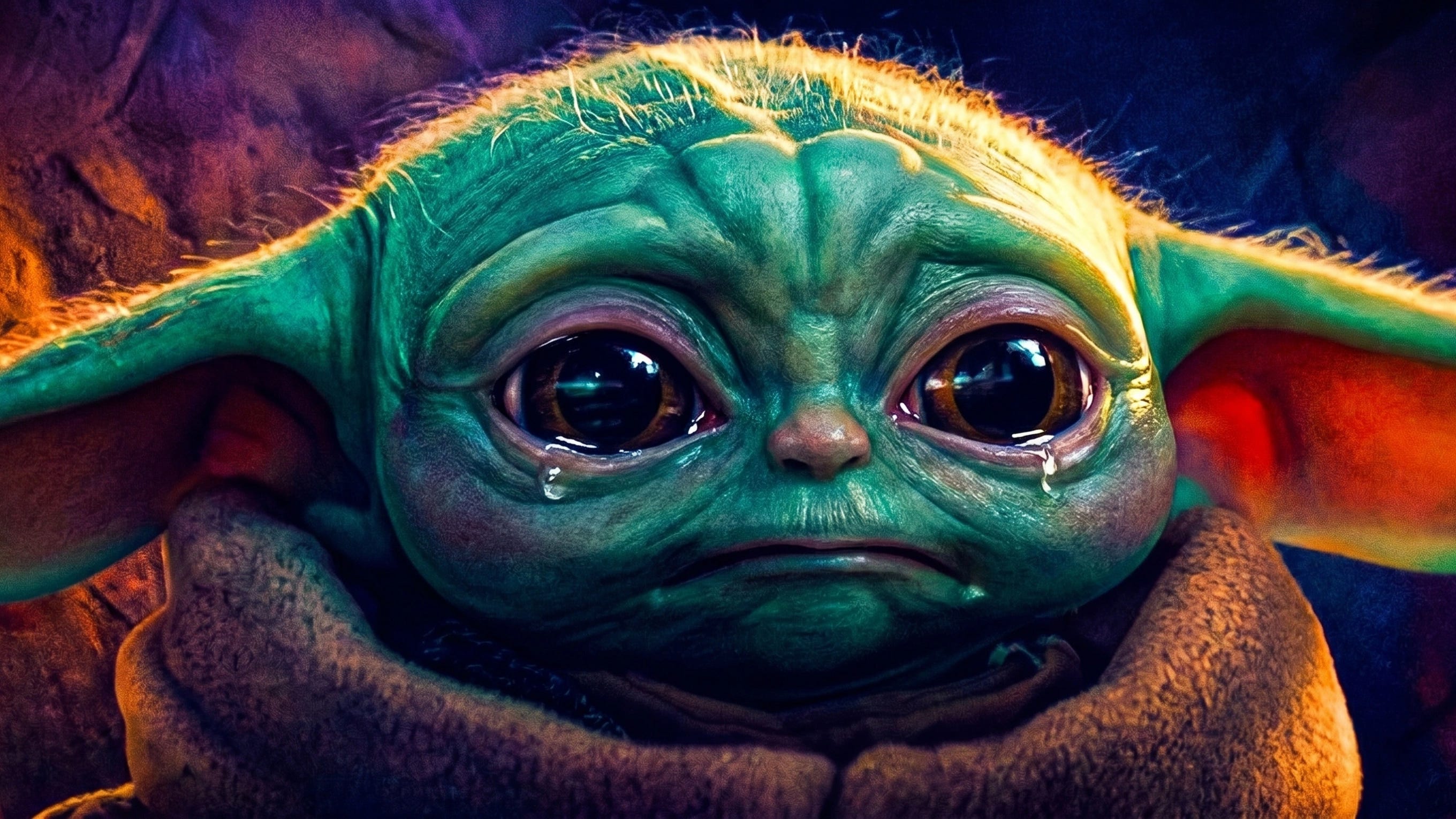
The Mandalorian and Grogu opened to $81.96 million domestically over its three-day weekend and $102 million over the four-day Memorial Day frame, with another $63 million internationally for a global start of roughly $163 million. Those numbers beat some final pre-release forecasts but still represent the lowest opening weekend for any Disney-era Star Wars theatrical release.
The film’s modest debut has immediately sparked debate about whether it qualifies as a flop, a disappointment, or simply a modest start for a lower-budget entry. Here is a clear breakdown of what the numbers actually mean, what the movie needs to do to break even, and where it stands in the broader context of the Star Wars franchise.
This weekend’s performance in context
The Mandalorian and Grogu benefited from the Memorial Day holiday and strong premium-format sales. IMAX, Dolby Cinema, and other premium large format screens accounted for 41% of tickets sold, according to data from EntTelligence. The film played on 4,300 screens, including 425 IMAX locations, for a per-screen average of roughly $19,060.
Even so, the $81.96 million three-day domestic opening is the weakest for any live-action Star Wars film released since Disney acquired Lucasfilm in 2012. It also came in behind 2005’s Revenge of the Sith opening ($108.4 million) and roughly on par with 2002’s Attack of the Clones ($80 million), neither adjusted for inflation.
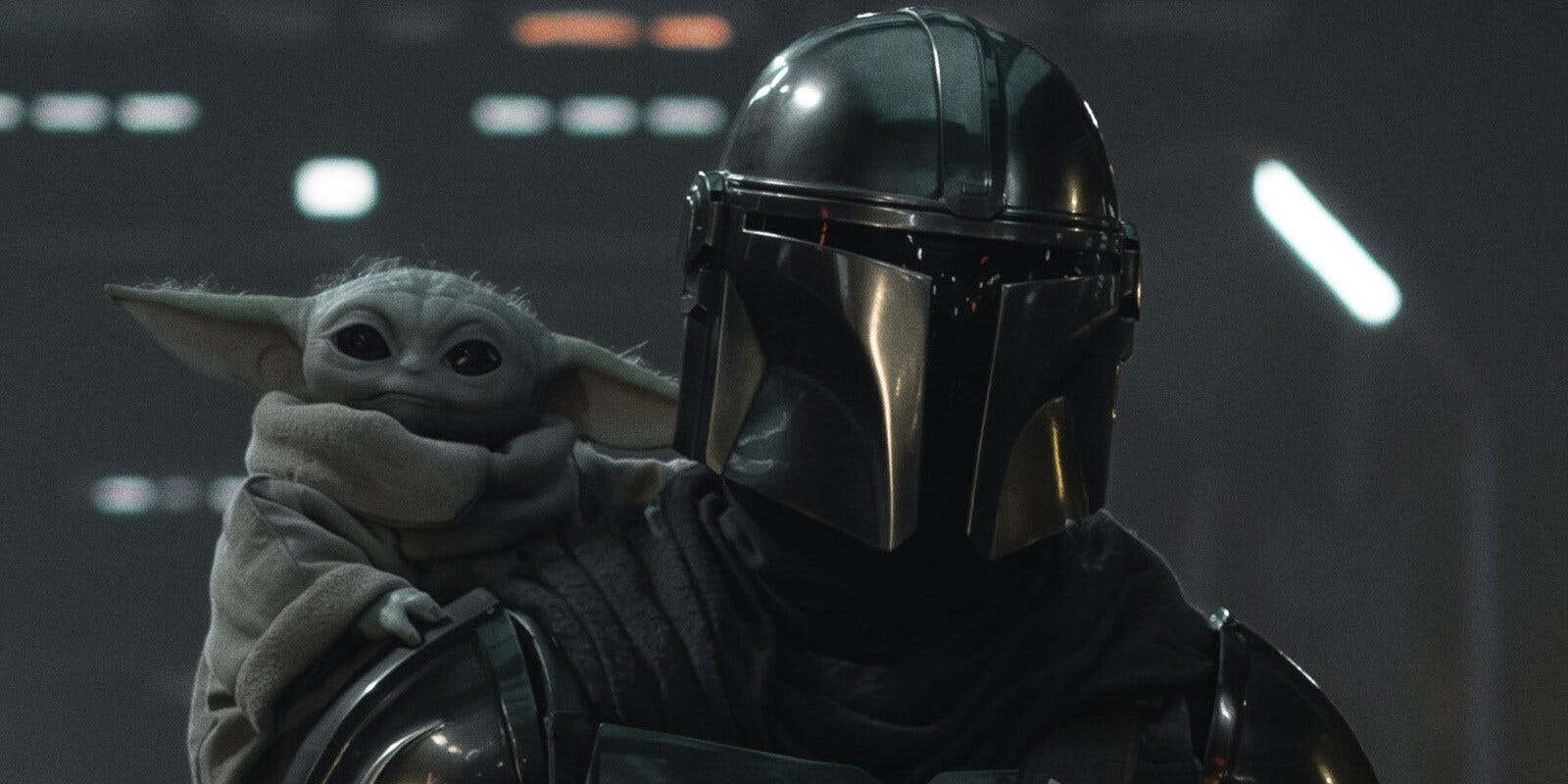
For the most direct comparison, Solo: A Star Wars Story opened to $84.4 million in 2018 over the same Memorial Day three-day frame, with a $103 million four-day total. The Mandalorian and Grogu is therefore coming in just slightly behind Solo eight years later in unadjusted dollars, a notable red flag for the franchise’s theatrical viability.
International performance was also soft at $63 million, contributing to the $163 million global four-day total. The U.K., normally a Star Wars stronghold, was hampered by unusually good weather over the holiday weekend.
Budget and break-even math
The Mandalorian and Grogu is the cheapest Disney-era Star Wars theatrical film by a significant margin, with a reported production budget of $165 million. That is roughly 45% lower than Solo‘s nearly $300 million price tag and far below the $300 million+ budgets of the sequel trilogy entries.
Marketing costs are estimated at $100 million or more, bringing the total outlay to roughly $265 to $300 million before prints, residuals, and other expenses. Using standard Hollywood accounting, with theater splits of roughly 50% domestic and 40 to 50% international, the film needs to gross approximately $500 to $600 million worldwide to break even.
Because the budget is so much lower than previous entries, the bar for success is correspondingly lower. The movie effectively recouped its production budget by the end of the holiday weekend, but that does not mean it is profitable yet.
Flop versus box office bomb, the difference
In Hollywood terms, the labels are not interchangeable.
A flop is a movie that significantly underperforms expectations or fails to cover its costs relative to its budget and marketing spend. It may still turn a small profit or break even in ancillary markets, but it is considered a disappointment.
A box office bomb is a more severe financial failure, typically a high-budget film that loses tens of millions, or more, after all revenue streams are factored in.
Below are some notable recent examples of box office flops and bombs.
The Marvels (2023) is the biggest box office bomb of the 2020s so far. It grossed only $206 million worldwide against a reported $374 million production budget, for an estimated net loss of $237 million. It is the lowest-grossing film in the Marvel Cinematic Universe.
The Flash (2023) cost $200 million to produce and is estimated to have lost Warner Bros. roughly $155 million.
Solo: A Star Wars Story (2018) finished at $393 million worldwide and lost an estimated $70 to $100 million. It killed plans for further standalone Star Wars films and became the first Star Wars movie ever to lose money in its theatrical run.
The Lone Ranger (2013) had a $250 million+ budget against $260 million worldwide, a massive loss for Disney. John Carter (2012) suffered a similar fate.
Lightyear (2022) grossed only $226 million against a $200 million budget, losing Pixar roughly $106 million.
West Side Story (2021) earned just $76 million against a $100 million budget, with an estimated $104 million loss despite strong reviews.
Strange World (2022) was one of Walt Disney Animation‘s worst-performing theatrical releases in decades.
Moonfall (2022) effectively ended Roland Emmerich‘s run as a reliable blockbuster director.
Recent mid-tier cases like several Phase Four and Phase Five Marvel films, including Ant-Man and the Wasp: Quantumania, are often called flops when they fail to hit the $800 million+ threshold many analysts now expect from the MCU.
The Mandalorian and Grogu is currently on track to land somewhere between a modest success and a soft flop, depending on its legs. If it finishes in the $400 to $500 million range globally, it would likely be viewed as a disappointment given the franchise’s history. Anything north of $600 million would be considered a win for a lower-budget entry.
Solo comparisons and what it means for Star Wars
Solo remains the clearest parallel. It opened to $84 million domestically, finished with $393 million worldwide, and was widely labeled the first Star Wars box office bomb of the Disney era. Its bloated budget, after Ron Howard‘s reshoots replaced original directors Phil Lord and Chris Miller, and soft legs made profitability impossible.
The Mandalorian and Grogu has the advantage of a much lower production cost. Even a final worldwide gross in the $450 to $550 million range could still allow it to break even or turn a modest profit once home video, streaming, and merchandising are factored in.
That said, the franchise’s theatrical health remains a concern. This is the first Star Wars movie in seven years, and its opening is the lowest in the Disney era. Audience scores are strong, with an A CinemaScore and an 89% Rotten Tomatoes audience score, but critics have been more mixed at 62%, slightly below Solo‘s 69% critical reception. Strong word-of-mouth could still give the film solid legs, but the modest start reinforces worries that Star Wars fatigue is real and that the theatrical audience has shrunk since the sequel trilogy.
Merchandising remains a key wild card. Star Wars is one of the top five toy sellers annually, with over $1 billion in retail sales. Grogu toys alone have sold roughly 13 million units in the first two years since the Disney+ series launched. As one talent rep put it heading into the weekend, “Sometimes, these movies make more in merchandise than the actual movie.”
The bigger picture for the future of Star Wars
Disney and Lucasfilm are clearly trying to reset the franchise with smaller, more contained stories after the divisive sequel trilogy. The Mandalorian and Grogu was intended as a lower-risk way to test theatrical waters again. Its lower budget gives it more breathing room than Solo had, but the soft opening still raises questions about long-term viability.
If the film ultimately finishes in the $500 to $600 million range, it will likely be viewed as a modest success that justifies further lower-budget theatrical efforts. If it falls short of $500 million, the studio may double down on Disney+ series and rethink big-screen plans.
For now, The Mandalorian and Grogu is not a bomb, but it is also not the triumphant return many hoped for. Its final verdict will depend on how well it holds in weeks two and three, and whether the lower budget ultimately saves it from the fate that doomed Solo.
Article compiled and edited by Derek Gibbs (entertainment editor) and the Clownfish TV newsroom.
D/REZZED is part of Clownfish TV. For more news, views, and rants on gaming and tech, visit clownfishtv.com. Watch the show on YouTube at @ClownfishTV where new episodes drop daily. Subscribe to the Clownfish TV podcast on Apple Podcasts, Spotify, iHeart, and wherever else you get your podcasts. Sign up for the free newsletter at more.clownfishtv.com.
Hat Tips:
Variety, Deadline, The Hollywood Reporter, and Box Office Mojo, opening weekend estimates and budget details
Boxoffice Pro and CNBC, Memorial Day weekend box office tracking and historical Star Wars comparisons
Looper, Collider, and MovieWeb, comprehensive coverage of 2020s box office flops and bombs including The Marvels, The Flash, Lightyear, and West Side Story
Industry analysis on Solo: A Star Wars Story profitability and the broader Star Wars theatrical viability question
EntTelligence data on premium large format screening share