

Xbox closes Ninja Theory days after revealing new Hellblade game
The Hellblade studio was told Monday it’s closing unless it finds a buyer, and Bloomberg reports Double Fine and Compulsion Games are fighting the same fight as Xbox’s “reset” kicks in.
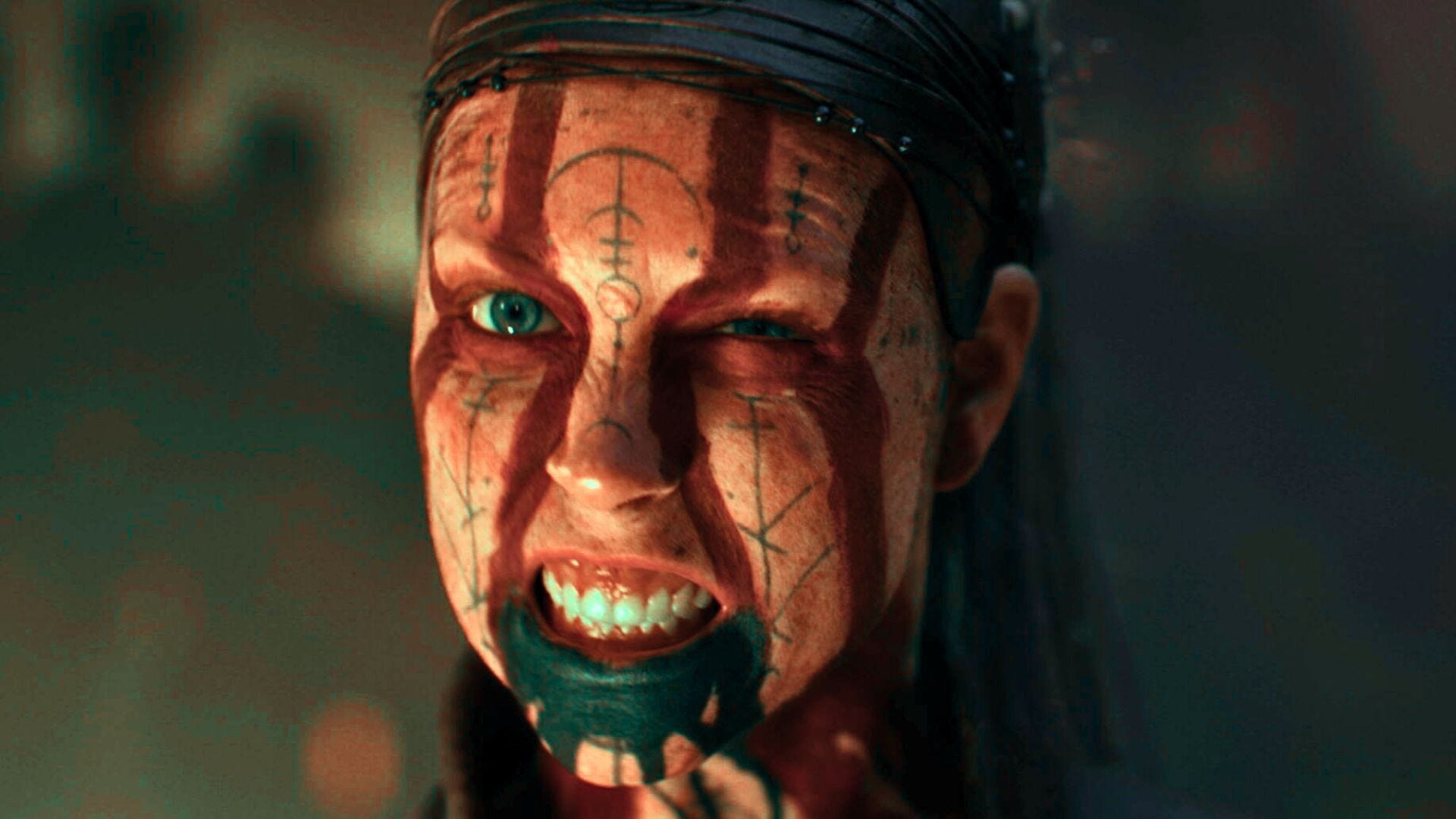
On June 7, Ninja Theory walked onto the Xbox Games Showcase stage and announced Senua, a brand-new entry in the Hellblade series.
Nine days later, the studio was told it’s being shut down.
That’s not a typo. Xbox really did wait barely a week before pulling the rug.
Ninja Theory was told to close nine days after the Senua reveal
The Verge‘s Tom Warren and Jay Peters reported on June 15 that Ninja Theory employees were called in Monday and told the Cambridge studio is closing. The team is reportedly scrambling to find an outside buyer who could keep it alive before the door shuts for good.
This is the studio behind Hellblade: Senua’s Sacrifice and Senua’s Saga: Hellblade II. The one that, a week and change ago, Xbox was happy to put on the showcase reel to make the lineup look stacked.
Announce the game. Send the devs out to talk it up. Close the studio. In that order.
Double Fine and Compulsion Games are fighting the same closure
Ninja Theory isn’t alone, and that’s the part that turns one bad headline into a pattern.
Bloomberg‘s Jason Schreier reports that Double Fine and Compulsion Games are also at risk, both in “active negotiations to spin off” rather than be liquidated outright. Schreier adds that “several other studios across the portfolio” are in the same uncertain spot.
Double Fine is Tim Schafer‘s house — Psychonauts, Brütal Legend, Broken Age, the Keeper you maybe just played. Microsoft bought it in 2019.
Compulsion is the Montreal studio behind South of Midnight and We Happy Few, acquired back in 2018.
Here’s the catch buried in the Bloomberg report: even the studios that successfully buy their own freedom are still expected to shed jobs. Going independent isn’t a clean escape. It’s a less-bad outcome.
Why Xbox’s “reset” is gutting the studios it just bought
All of this traces back to the Asha Sharma memo.
The new Xbox CEO and content chief Matt Booty posted a public “reset” note around June 10, warning of layoffs and a hard pivot toward what they called sustainable investment. Days earlier, the company confirmed Xbox is closing its fiscal year at a roughly 3% “accountability margin” — the number that means a business this size is barely clearing the bar of an index fund.
Microsoft’s fiscal year ends June 30. The reported closures and buyout deadlines are stacked right against it. Read into that what you will.
For the record, Microsoft has not publicly confirmed any of the closures. That tracks with how the company has handled this before — confirm nothing until the people inside have already been told.
Matt Booty praised these exact studios in February
This is the part that’s hard to square.
Back in February, Booty told Windows Central that Xbox’s whole value was a portfolio that ran from tiny experimental games up to giant franchises. He specifically name-checked Double Fine’s Keeper and Compulsion’s South of Midnight as the kind of place where “little sparks can grow.”
Four months later, the studios behind those little sparks are the ones reportedly getting cut.
“Sell Xbox” is no longer a fringe take
The grim joke going around games coverage right now is that Xbox speedran the trip from “we’re so back” to “it’s so over” faster than anyone thought possible. A genuinely well-liked showcase, followed almost immediately by a fire sale of the studios that made it worth watching.
And the “should Microsoft just sell the whole thing” question has graduated from forum venting to actual reporting. The Information, via Reuters, reported earlier this month that Microsoft has weighed spinning Xbox out as a wholly owned subsidiary — a structure that, not coincidentally, would make the brand easier to sell. Microsoft hasn’t confirmed it, and stressed there are no imminent plans.
But when the press, the leakers, and the CEO’s own “we’ve been subsidizing this” admission all point the same direction in the same month, the sentiment isn’t coming out of nowhere.
What the Xbox studio closures actually mean
Strip the corporate language and it’s simple. Microsoft spent years and tens of billions buying acclaimed studios, and is now reportedly closing or cutting loose the ones that made beloved games but didn’t move twenty million units.
The IP is fine. Hellblade will probably resurface somewhere. The showcase lineup still looks good on paper.
The people aren’t fine. Whatever happens with the buyout talks, developers at three studios spent this week finding out their jobs might not exist by the end of the month. That part doesn’t get a wink.
So watch June 30. The fiscal year closes, the reset stops being a memo and starts being a headcount, and we find out how many of Xbox’s studios are still standing on July 1. Right now nobody — possibly including Microsoft — can tell you the number.
Article compiled and edited by Derek Gibbs (entertainment editor) and the Clownfish TV newsroom.
D/REZZED is part of Clownfish TV. For more news, views, and rants on gaming, tech, and pop culture, visit clownfishtv.com. Watch the show on YouTube at @ClownfishTV where new episodes drop daily. Subscribe to the Clownfish TV podcast on Apple Podcasts, Spotify, iHeart, and wherever else you get your podcasts. Sign up for the free newsletter at more.clownfishtv.com.
Hat Tips:
The Verge (June 15, 2026), Tom Warren and Jay Peters reporting, verified for the Ninja Theory closure, the Monday employee notification, and the buyer-search detail
Bloomberg (June 15, 2026), Jason Schreier reporting, verified for Double Fine and Compulsion Games being at risk, the spin-off negotiations, the “several other studios” detail, and that layoffs are expected even in successful spin-offs
Windows Central (February 2026), verified for Matt Booty’s “little sparks can grow” comments naming Double Fine’s Keeper and Compulsion’s South of Midnight
The Information and Reuters (June 2026), verified for the report that Microsoft weighed spinning out Xbox as a wholly owned subsidiary to ease a potential sale
Engadget and PC Gamer (June 15, 2026), verified for the studio acquisition history, the Senua showcase timing, and the “Xbox reset” framing