

YouTube Hates AI Slop — Unless You Use Their Tools to Make It
AI-generated “slop” has overtaken YouTube, accounting for more than 20% of videos recommended to new users and generating an estimated $117 million in annual revenue from over 63 billion views. YouTube CEO Neal Mohan released his 2026 priorities letter on January 21, outlining efforts to combat this low-quality content while simultaneously rolling out AI tools that let creators generate Shorts using their own likeness.
Here’s the TL;DR...
AI slop accounts for over 20% of videos shown to new YouTube users.
YouTube plans to reduce low-quality AI content using enhanced spam detection.
Creators will soon make AI Shorts featuring their own face and voice.
Over 1 million channels used YouTube’s AI tools daily in December.
New features include in-app shopping, better parental controls, and customizable YouTube TV options.
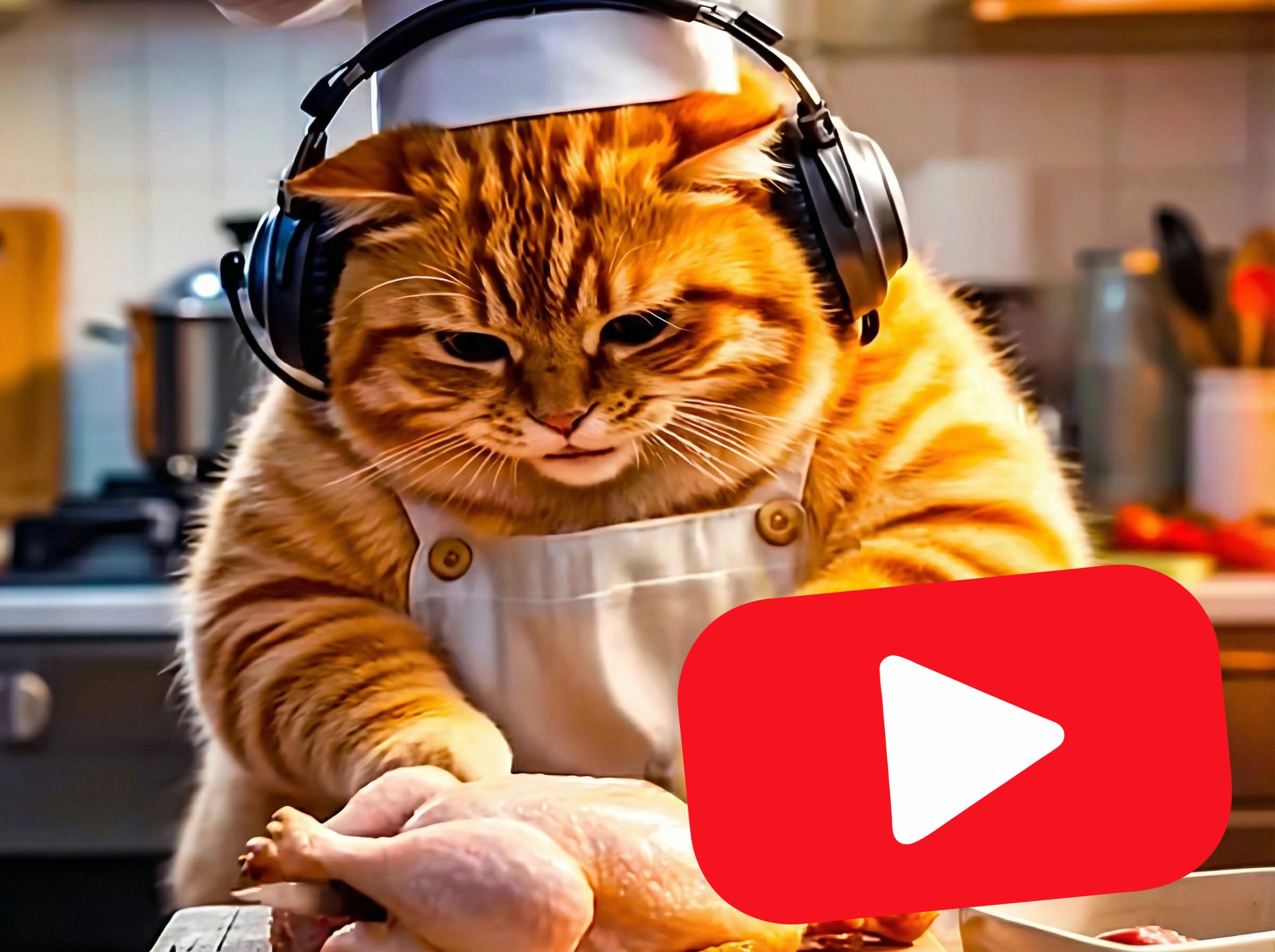
What Is AI Slop and How Has It Overtaken YouTube?
AI slop consists of low-effort, algorithm-generated videos designed to maximize views without providing real value. A study by video-editing company Kapwing found that 278 of the top 15,000 global channels produce only this content, amassing 63 billion views and 221 million subscribers. These channels earn about $117 million yearly, with over 20% of recommendations to new users falling into this category.
Why Is YouTube Now Prioritizing the Fight Against AI Slop?
Mohan noted in his letter that the rise of AI has fueled concerns about diluting platform quality. YouTube will build on its spam and clickbait detection systems to limit the spread of repetitive, low-value videos.
This comes after 2025 saw mentions of AI slop increase ninefold online, with negative sentiment peaking at 54% in October.
How Will New AI Tools Let Creators Generate Shorts With Their Likeness?
Creators can train AI to replicate their appearance and style for rapid Shorts production. Mohan described this as a creative boon, similar to tools like Photoshop, with over 1 million channels already using AI features daily last December.
The feature is framed as a way to support experimentation, not replace human creators.
What Safeguards Is YouTube Implementing for AI-Generated Content?
The platform now requires labels on AI content and disclosures for synthetic media that could mislead viewers. YouTube removes harmful deepfakes and is expanding Content ID to address unauthorized use of likenesses.
Mohan emphasized transparency as detection grows more difficult.
How Has AI Slop Impacted YouTube’s Revenue and User Experience?
AI slop channels have raked in millions but frustrated users with brainrot content, including looping clips and fake educational videos aimed at children.
Despite this, YouTube paid creators over $100 billion in the last four years and supported 490,000 U.S. jobs in 2024.
What Other Updates Are Coming to YouTube in 2026?
YouTube is adding in-app shopping, allowing direct purchases from creator recommendations. Parental controls will simplify account management and allow time limits on Shorts.
Shorts, now pulling 200 billion daily views, will also support image posts to spark discussions.
How Is YouTube Addressing Kid and Teen Safety This Year?
Families will get easier setup for supervised accounts and tools to limit Shorts scrolling — including the option to set it to zero.
These build on legacy features like the 2015 YouTube Kids app, with 93% of young adults crediting YouTube for skill-building.
What AI Experiments Are Planned for Music and Entertainment?
Users will be able to generate music or explore song details using AI tools. YouTube leads U.S. streaming watchtime per Nielsen data.
Creators like Julian Shapiro-Barnum are blending formats in shows such as Outside Tonight.
How Will YouTube TV Evolve in 2026?
Subscribers will gain fully customizable multiview, plus specialized plans for sports and news. Mohan positions YouTube TV as the “new TV” powered by creators.
Does YouTube’s AI Strategy Risk Creating More Slop?
Critics note the irony: new AI tools could increase generated content even as moderation improves. Mohan frames AI as an enhancer, but 2025 data already shows slop making up 20% of Shorts.
What Viewer Tools Are Getting AI Upgrades?
The Ask feature, used by 20 million people in December, lets viewers query videos for specifics like recipes. Autodubbing now reaches 6 million daily viewers, extending watch sessions and global access.
How Does This Fit Industry-Wide AI Trends?
YouTube supports legislation like the NO FAKES Act aimed at deepfakes. The platform contributed $55 billion to U.S. GDP last year, betting heavily on emerging creators.
YouTube’s 2026 roadmap walks a tightrope — cracking down on the AI slop flooding the platform while offering tools that could generate even more of it. Whether smarter moderation keeps quality high or accelerates creator fatigue will define the next phase of the platform. As AI advances, the balance between innovation and authenticity will decide whether YouTube thrives or drowns in its own algorithm.
Hat Tips
YouTube Official Blog, “From the CEO: What’s coming to YouTube in 2026,” January 21, 2026
The Hollywood Reporter, “YouTube CEO Neal Mohan’s Big Ideas for 2026,” January 21, 2026
Dexerto, “YouTube plans to let creators make AI Shorts using their own likeness,” January 21, 2026
CNBC, “YouTube chief says ‘managing AI slop’ is a priority for 2026,” January 21, 2026
Bloomberg, “YouTube CEO Says Battling ‘AI Slop’ a Top Priority in 2026,” January 21, 2026
The Guardian, “More than 20% of videos shown to new YouTube users are ‘AI slop’,” December 27, 2025
Yahoo Finance, “‘AI slop’ is taking over the most popular social media platform,” December 30, 2025
Euronews, “2025 was the year AI slop went mainstream,” December 28, 2025
Article Compiled and Edited by Derek Gibbs on January 21, 2026 for Clownfish TV D/REZZED.