

YouTube will label AI videos with AI while cracking down on AI channels
YouTube’s new auto-labeling system arrives after 16 channels with 35 million combined subscribers were terminated for AI spam. The contradictions are layered.
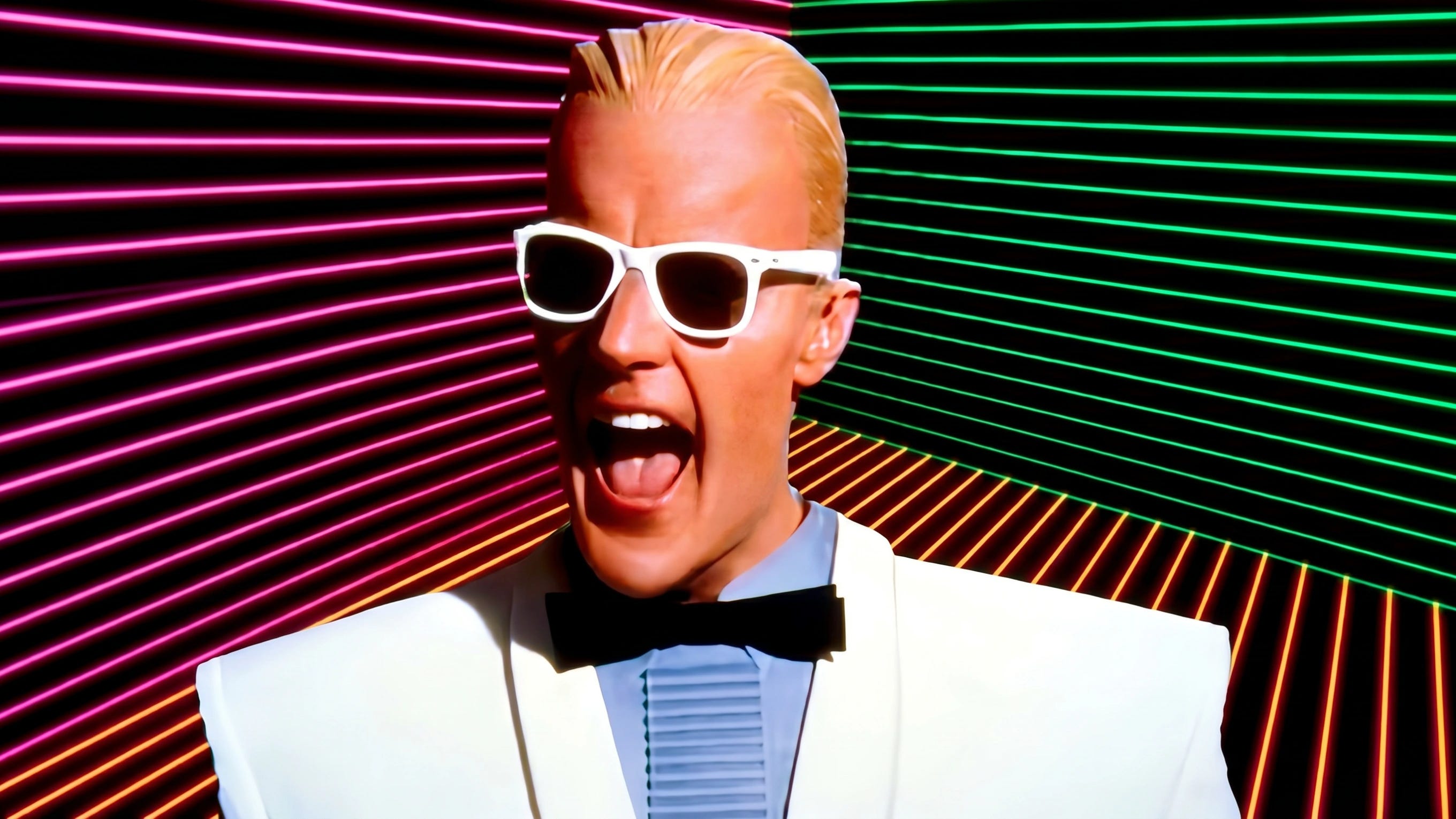
YouTube announced on May 27, 2026 that it will begin automatically applying labels to videos containing significant photorealistic AI-generated or AI-altered content, even if creators do not disclose it themselves.
The move is part of an ongoing effort to improve transparency around synthetic media on the platform. However, it has immediately raised questions about accuracy, enforcement, and whether YouTube is fighting fire with fire while punishing creators for doing the same thing it is now automating.
How the new system works
In a Wednesday blog post titled “Improving AI labels for viewers and creators,” YouTube laid out two major changes.
First, the disclosure label for photorealistic and meaningfully AI-altered or generated content will now appear directly below the video player for long-form videos and as an overlay on YouTube Shorts. Until now, these labels lived in the expanded video description, where most viewers never saw them.
Second, YouTube’s internal detection systems will now automatically apply a label when significant photorealistic AI use is detected, even if the creator did not disclose it.
“If a creator doesn’t specify whether or not they used AI, but our systems detect significant photorealistic AI use, we will now automatically apply a label,” YouTube said in its announcement. “As this technology continues to improve, creators remain in control. If a creator thinks their content was incorrectly identified as AI-generated, they can update the disclosure status in YouTube Studio.”
Rene Ritchie, YouTube’s head of editorial and creator liaison, framed the change in a companion video.
“The goal here is context at a glance. If it looks real but was made with AI, viewers will know immediately,” Ritchie said. He added that the AI labels alone “do not affect how our videos are recommended or whether they can earn money. This is purely about giving viewers the right information.”
For content that is unrealistic, animated, or only slightly altered, the disclosure label will remain in the expanded description rather than on the main video page.
YouTube framed the broader rationale simply. “We’ve heard consistently from our community that they value transparency when it comes to generative AI content. These changes are designed to balance transparency with creator control.”
YouTube’s broader AI strategy
YouTube and parent company Google have been aggressively integrating AI across the platform for years.
Creators have access to AI-powered tools for generating backgrounds, music, thumbnails, video ideas, and dubbing. Google DeepMind‘s SynthID technology is being used for watermarking and detecting AI-generated content. The recommendation algorithm and moderation systems rely heavily on machine learning. YouTube has rolled out interactive search features including Ask YouTube, an AI playlist generator for YouTube Music, AI video summaries, and a growing suite of generative creation tools.
In short, the platform wants to benefit from AI innovation while trying to police its worst excesses.
The crackdown on “inauthentic” content has been brutal
At the same time YouTube has been expanding its AI capabilities, it has also been aggressively targeting what it calls “inauthentic” content, much of which is mass-produced, repetitive, low-effort material often created with AI.
On July 15, 2025, YouTube updated its YouTube Partner Program monetization policies, renaming the “repetitious content” category to “inauthentic content” with clearer definitions. The policy targeted creators using synthetic voiceovers, unedited stock footage compilations, simple text slideshows, or AI-generated narration over recycled footage to churn out high volumes of low-effort content.
Ritchie publicly downplayed the change at the time, calling it a “minor update to YouTube’s longstanding YPP policies. It’s just clarifying what we mean by inauthentic and repetitive content.” He added that “this kind of content has been ineligible for monetization for years, and it’s content that viewers often consider spam.”
The enforcement, however, was anything but minor.
In December 2025, YouTube terminated two large channels, Screen Culture and KH Studio, for mass-producing fake AI-generated movie trailers. Both had millions of subscribers. More removals followed in early 2026.
According to analysis from creator tools company Kapwing, roughly 16 channels were removed from its tracked list of top AI-driven channels, representing an estimated 35 million combined subscribers and 4.7 billion lifetime views.
A separate Kapwing study of 15,000 trending channels identified 278 channels producing nothing but content classified as AI slop. Those channels had collectively amassed 63 billion views, 221 million subscribers, and an estimated $117 million in annual ad revenue as of October 2025. The same study found that AI-generated slop accounts for roughly 21% of YouTube Shorts shown to new users.
Large channels built almost entirely on AI-generated content have been hit hard, with some creators arguing that legitimate faceless or automated channels are getting caught in the crossfire alongside obvious spam operations.
The hypocrisy problem
Here is where the tension becomes obvious.
YouTube is now using AI systems to automatically detect and label AI-generated content. At the same time, it has spent the last year aggressively cracking down on creators who use AI to produce what the platform deems “inauthentic” or mass-produced material. Meanwhile, Google offers an expanding suite of AI tools to creators and has built generative AI deeply into the platform’s own product roadmap.
In other words, YouTube is fighting AI-generated slop with more AI, while simultaneously punishing creators for relying too heavily on AI tools that the platform itself helps provide and promote.
Ritchie has been careful to draw the distinction. “AI itself is not banned,” he confirmed in a follow-up video. YouTube “welcomes creators using AI tools to enhance storytelling.” Content that reflects original ideas remains eligible for monetization even if AI tools are used in the creation process. The terminated channels reportedly had a specific pattern of mass-producing hundreds of separate videos through automated pipelines with little to no human input.
Skeptics, including many in the replies to discussions around this policy on X, Bluesky, and Reddit, have pointed out the obvious risks.
AI detection systems are not perfectly accurate. False positives could hurt legitimate creators using AI tools in limited or creative ways. The same company profiting from AI features is now positioning itself as the arbiter of “real” versus “AI” content. And there is the broader question of whether AI labels stigmatize legitimate creative use of new tools.
Industry observers have flagged a particular tension around video advertising. As marketing director Jeremy Whitt of Hanson Dodge told Digiday when the July 2025 policy first dropped, “I wonder about any potential impact on CPMs if all this ‘slop’ had potentially held down costs on the platform. While they have mechanisms in place to keep that content from being monetized, I find it hard to believe it caught everything.” His point was that the slop ecosystem was likely depressing ad rates for legitimate creators.
What comes next
YouTube says the new automatic labeling is meant to improve transparency for viewers, especially as photorealistic AI video becomes more convincing and widespread. The company has also given creators tools to manage the use of their own likeness in AI-generated content and has publicly supported legislation like the NO FAKES Act, which would create federal protections against unauthorized AI-generated replicas of a person’s voice or likeness.
Whether the detection system proves reliable, and whether YouTube can consistently distinguish between harmful AI spam and legitimate creative use of the technology, remains to be seen. Early reactions suggest many creators and viewers are skeptical that an AI system will get this right at scale without significant errors or bias. The mention of AI-generated content carrying any kind of mark, even a benign one, will likely impact viewer perception regardless of YouTube’s stated assurance that labels do not affect recommendations or monetization.
For now, YouTube is walking a complicated line. Embracing AI as a tool for creators and platform growth, while using AI to police the very content its tools help produce. How well that balancing act works will likely determine how much trust the creator community places in the new labeling system, and whether the next wave of channel terminations sweeps up creators who thought they were on the right side of the slop line.
Article compiled and edited by Derek Gibbs (entertainment editor) and the Clownfish TV newsroom.
D/REZZED is part of Clownfish TV. For more news, views, and rants on gaming and tech, visit clownfishtv.com. Watch the show on YouTube at @ClownfishTV where new episodes drop daily. Subscribe to the Clownfish TV podcast on Apple Podcasts, Spotify, iHeart, and wherever else you get your podcasts. Sign up for the free newsletter at more.clownfishtv.com.
Hat Tips:
YouTube official blog post “Improving AI labels for viewers and creators” (May 27, 2026), primary source for the announcement and all direct Rene Ritchie quotes
TechCrunch, Variety, The Wrap, and FOX 29 Philadelphia, reporting on the May 27, 2026 announcement and detailed breakdown of label placement
CineD, Mashable, Search Engine Journal, and Digiday, July 2025 coverage of the YouTube Partner Program update redefining “repetitious” content as “inauthentic” content
Kapwing analysis tracking 16 terminated AI-driven channels with 35 million combined subscribers and 4.7 billion lifetime views, plus the broader 15,000-channel study identifying 278 AI-slop channels with $117 million in estimated annual ad revenue
LiveReacting and Search Engine Journal coverage of the Screen Culture and KH Studio terminations in December 2025
Digiday interview with Hanson Dodge executive media director Jeremy Whitt on the potential CPM impact of the AI slop crackdown