

YouTube's rules against AI slop are catching hand-drawn animation
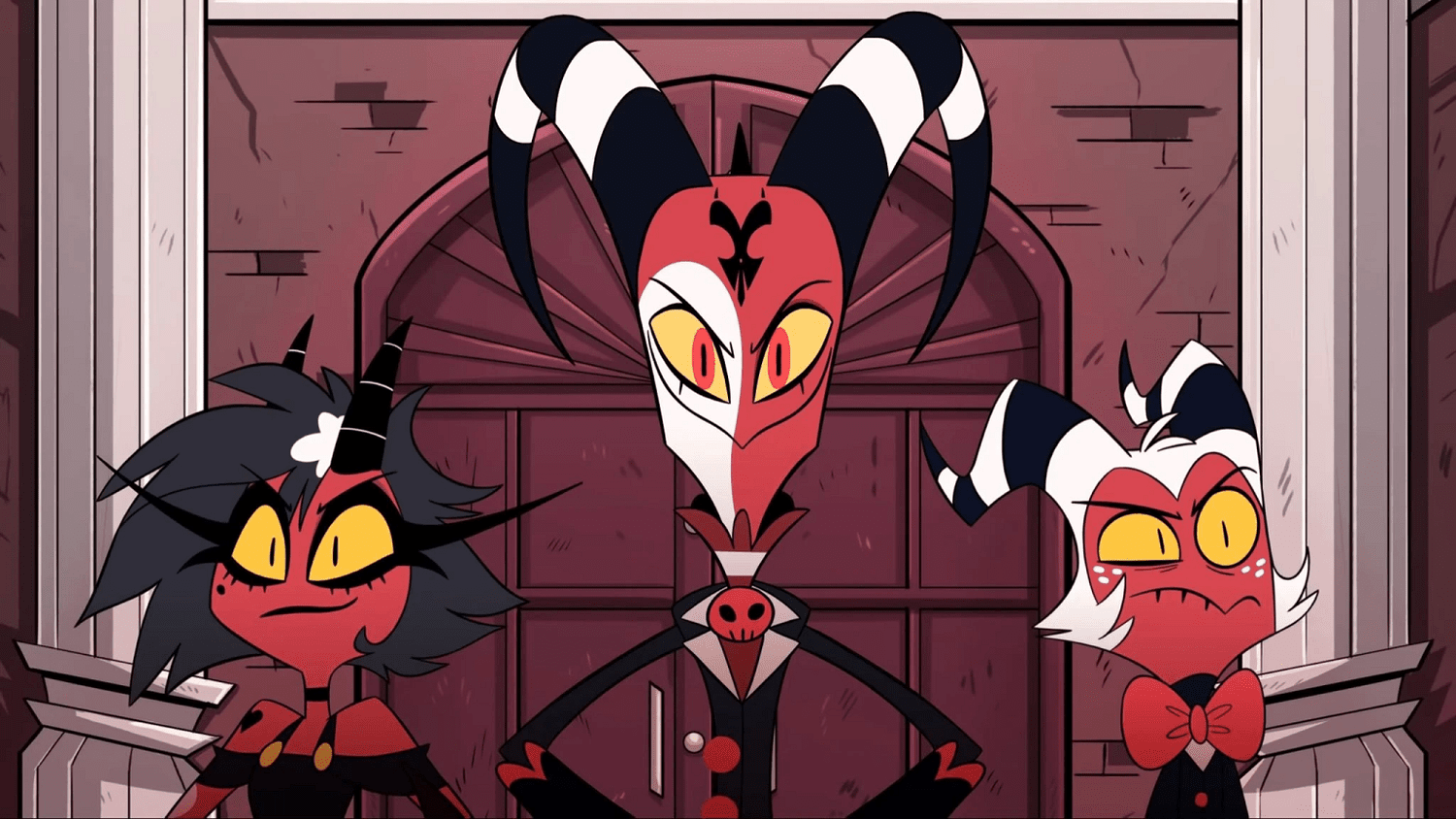
Animation channels keep getting demonetized under YouTube’s “inauthentic content” policy, which targets templated and mass-produced video. Creators who animate everything by hand say they’re being swept up by the same enforcement aimed at AI output.
YouTube‘s policy on inauthentic content is meant to stop channels from farming ad revenue with templated, mass-produced video. Animators keep getting caught in it.
Waves of demonetizations have hit animation channels through 2026, and a fresh round landed this month on animated storytime creators. The pattern the affected creators describe is consistent: revenue disappears, the explanation is generic, and the appeal is uphill.
The frustrating part is what the policy is actually for.
What the rule says
YouTube clarified its inauthentic content policy in July, and it names three things that can’t be monetized.
Generic or repetitive content, which YouTube defines as content that looks like it was made with a template, or that feels repetitive to a viewer watching several videos from the same channel in a row. Unsatisfying or off-putting content. And content built around fake AI “experts,” the AI doctor selling wellness remedies, the AI lawyer dispensing legal advice.
One detail matters here and gets lost. According to Tubefilter, the July update wasn’t a new policy. It was a rewrite of the language to explain enforcement that already existed, meaning creators weren’t suddenly being demonetized for new reasons. The rules didn’t change. The explanation did.
Why animation trips it
The problem is structural, and it isn’t really about anyone’s intent.
Animation reuses things by design. Rigs, character models, backgrounds, assets, house style. A channel that produces a series will, by definition, put out episodes that look like each other and follow recurring formats. From the outside, and especially to an automated classifier, that resembles exactly what the policy is trying to catch.
An animator building every frame by hand and a content farm running a template can produce feeds that look similar to a system measuring surface repetition.
The creators’ complaint
Earlier this year the wave hit kaiju and dinosaur animators particularly hard.
DinoMania, an animator with more than a million subscribers, argued that moderation tools were penalizing creators who put in real effort while AI-generated material continued to flow. Other creators reported the same experience across different niches, and some noted it wasn’t limited to animation at all.
The recurring complaints are about process rather than the rule itself. Demonetization arrives without specific guidance about what triggered it. Creators who believe their work is entirely original find it classified alongside automated output. And the results feel inconsistent from one enforcement update to the next.
YouTube’s side
The platform’s position is coherent, even if it’s cold comfort.
YouTube says its monetization policies exist to respect advertiser preferences, and that it reviews content against a range of factors including how it was made. Not everything touched by AI tools is automatically demonetized. Classification systems get adjusted, and eligibility can shift between updates.
There’s also a real problem underneath. YouTube has been removing AI slop channels with millions of subscribers, and the flood of automated content is a genuine threat to the platform’s ad business and to the creators competing with it. Nobody arguing about this thinks YouTube should do nothing.
The gap that keeps producing this
The complaint isn’t that YouTube is enforcing. It’s that the enforcement can’t tell the difference between labor and its opposite.
That’s the same tension that surfaced when a Canadian theater employee’s hand-drawn Spider-Man poster went viral, praised specifically for not being AI. Audiences can tell. The systems policing the platform, apparently, have a harder time.
Animation is one of the most time-expensive things a person can make for YouTube. Being flagged as low-effort mass production is a particular kind of insult, and it arrives with an income cut attached. Until the classifiers get better at distinguishing a template from a style, the people most exposed will keep being the ones doing the most work.
Article compiled and edited by Derek Gibbs (entertainment editor) and the Clownfish TV newsroom.
D/REZZED is part of Clownfish TV. For more news, views, and rants on gaming, tech, and pop culture, visit clownfishtv.com. Watch the show on YouTube at @ClownfishTV where new episodes drop daily. Subscribe to the Clownfish TV podcast on Apple Podcasts, Spotify, iHeart, and wherever else you get your podcasts. Sign up for the free newsletter at more.clownfishtv.com.
Hat Tips:
Tubefilter (July 2026), verified for the three categories of content ineligible for monetization, YouTube’s definition of generic or repetitive content, the fake-AI-expert examples, and the clarification that the update was a communications fix rather than a new policy
Dexerto (2026), verified for the demonetization wave affecting kaiju and dinosaur animators, DinoMania’s subscriber count and criticism of AI moderation tools, the difficulty of restoring monetization, and reports that the issue extended beyond animation channels
Creator Handbook (2026), verified for animation channels being demonetized following AI-related classification changes, the removal of major AI slop channels, creators reporting a lack of clear guidance, and YouTube’s advertiser-preference rationale
YouTube Help documentation (2026), verified for the channel monetization policies, creator integrity requirements, and the restrictions on circumventing demonetization